

It’s been 18 months since the Winnipeg Metro Region halted its Plan20-50 proposal due to public and municipal backlash. In that time, much has transpired, including a name change for the organization to the Capital Planning Region (CPR).
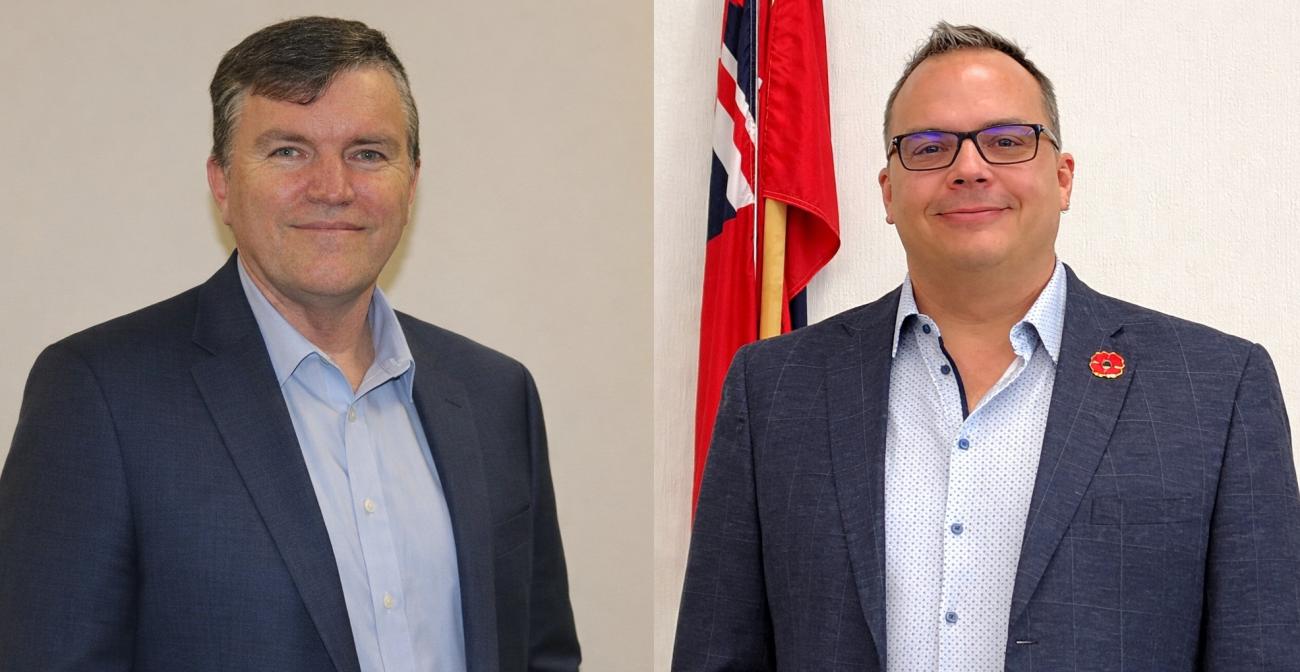
A pair of new CPR board members have been selected to represent the multi-municipal organization. On March 19, Niverville mayor Myron Dyck was elected to the position of board chair. Ritchot’s deputy mayor, Shane Pelletier, was elected as vice chair.
These elections are a first for the CPR board. Prior to 2026, those in leadership roles were appointed by the province.
“This past year, we have all worked hard to bring forth the concerns and suggestions to the provincial government from the people we serve so as to bring forward a new plan to replace the 20-50 plan,” Dyck told the board at his election. “I commit to working with you, my fellow board members, to bring about the changes and work required to ensure that this Capital Planning Region board is working to make the people and communities we serve better, not worse.”
Dyck’s faith that the province is listening and ready to enact change has him feeling hopeful for the future of the CPR. He himself was critical of Plan20-50 in 2024, following a failed public hearing on the initiative.
The board he and Pelletier now lead is much smaller than it once was, as only eight municipalities, including Winnipeg, are still represented.
Following Premier Wab Kinew’s decision to make board membership optional, many municipalities stepped away, including the RMs of Tache, Springfield, East and West St. Paul, St. Andrews, Rockwood, Macdonald, and the city of Selkirk and village of Dunnottar.
The current board also includes two members at large. Chief Gordon Bluesky provides Indigenous representation and Lorne Pelletier speaks on behalf of the Manitoba Metis Federation.
Each CPR member, including the chair and vice chair, serve on a voluntary basis.
Dyck’s conviction is that it’s better to be part of the solution than part of the problem, which is what led him to say yes when nominated as board chair.
Being part of the solution means advocating for change. That change began in September 2024 when each represented member of the previous board was provided an opportunity to voice their concerns on Plan20-50 with former Minister of Municipal Relations Ian Bushie.
One of the changes since then has been the removal of CPR’s power to expropriate land from residents.
“No property owner needs to be afraid that the CPR is coming to expropriate their land,” Dyck told the board. “No one needs to fear that their freedom to move about is limited.”
This is a reference to Plan20-50’s mention of 15-minute cities, which some members of the public took to mean that the government could restrict people’s right to travel beyond their home jurisdictions.
Finally, Dyck says that no municipality represented in the CPR should feel their autonomy threatened by decisions made by the greater regional body.
“I anticipate this new plan will not just allow our residents to live, but to thrive, which I know is the goal of every member around this table,” Dyck said.
Being a part of this collaborative organization, he adds, will result in the generation of cost savings and funds accessibility.
Cost savings come in terms of volume buying, something the CPR members already benefit from when it comes to fire equipment purchases. Sharing costs on consultants, engineers, and other professional services is another way to benefit when creating economies of scale.
Government grant monies are also on the table for those belonging to the CPR.
“There are funds available from the federal government to capital planning regions only,” Dyck said. “Funds that board members, if applying on their own, would not have access to. We need to do all we can to use these grants to our benefit and to help with the costs associated with serving the people of a growing region.”
Not to be dismissed, though, are the relationships built on a board such as CPR.
“I’ve really grown to appreciate the hard work and efforts of each appointee around the table, and their passion for wanting to make their municipality better,” Dyck says. “It’s actually quite inspirational when you sit down with them. They just want to do the right thing and make things better.”
Dyck implores members of the public to exercise patience as the CPR works at restructuring Plan20-50, a document mandated by the province.
“We have heard you and are working hard to bring about the necessary changes you have spoken to us about. I invite you to continue to work with us… to not weaken our communities but to make them better and stronger.”