

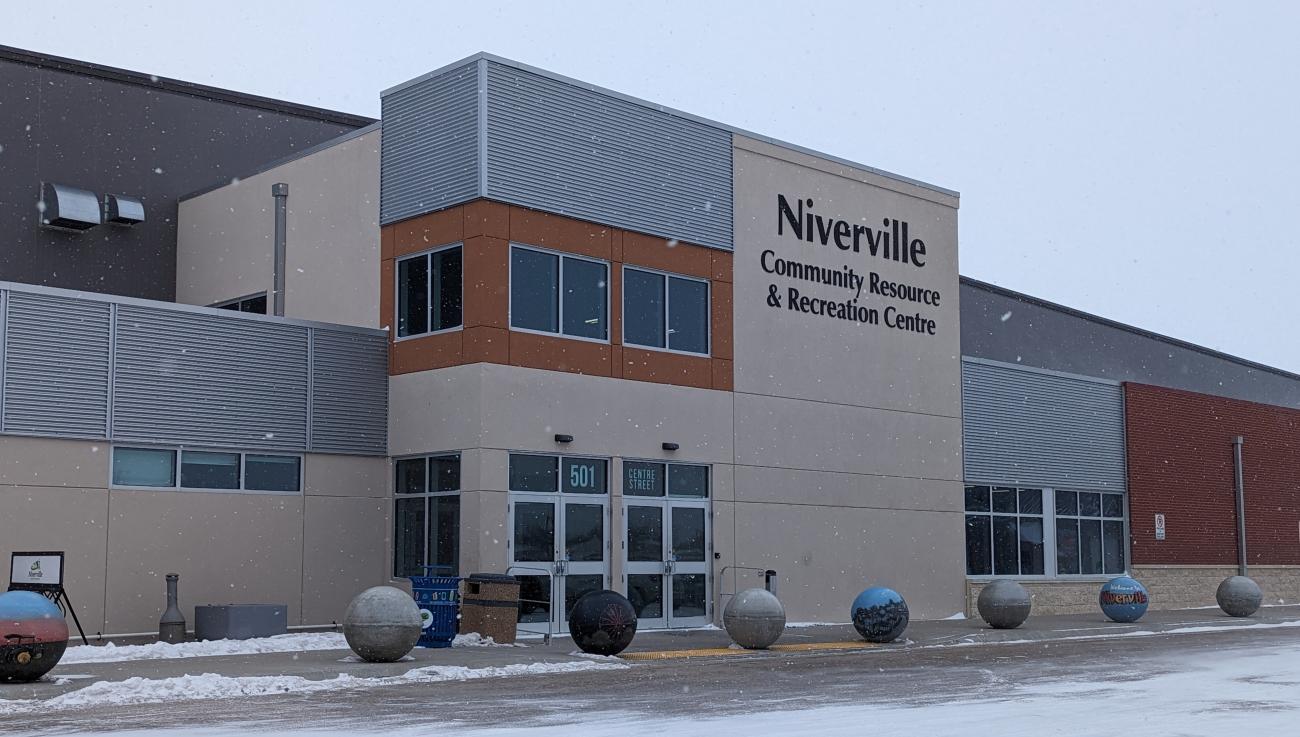
On February 17, the Town of Niverville officially launched its recreation subsidy program. By doing so, town council hopes that every child, regardless of financial means, will be able to access recreation programming this year.
“[We want to] make sure that people are aware that these programs exist and that no one is getting left out,” said councillor Nathan Dueck. “Whether it’s cooking lessons, badminton lessons, or volleyball sessions, it’s a way to incorporate kids into the community as opposed to them feeling segregated from it.”
The municipal funding, to be capped at $350 per resident per year, will be applied towards memberships, classes, and camps run through Niverville Recreation. This includes any children’s programs found in the local leisure guide.
Numbers are limited in each program offered and will be filled on a first-come, first-served basis, with no special exceptions for those receiving subsidized funding.
The subsidized programs don’t include hockey, soccer, or sports activities which aren’t directly run through Niverville Recreation. According to Dueck, many of those programs have subsidy options available through provincial sporting associations.
Applications for Town of Niverville subsidies will run through Recreation Opportunities for Children (ROC) Eastman in order to provide an arms-length vetting process to ensure measured privacy for applicants.
ROC Eastman is a registered charitable organization whose mandate is to reduce barriers that prevent access to recreation opportunities for kids in the southeast.
For Niverville’s council, it just makes good sense to partner with an organization that already operates under these guidelines.
“ROC is thrilled to be a tiny part of Niverville’s recreation funding initiative,” says Moni Loewen, ROC Eastman’s executive director. “Council’s decision speaks volumes about their commitment to residents’ overall well-being and the power of recreation in healthy communities.”
Until the subsidy program sees some interest, though, the local need is unclear. Council hopes that this year’s applications will provide a gauge for future budget planning.
“The long-term benefit of this [program] is that, if we can find ways to involve everyone in recreation, they are going to be more involved in the community,” says Dueck. “They’ll be willing to give back to the community because the community found ways of giving to them.”
He adds that there is mounting evidence to suggest that involving kids in healthy programming helps them steer clear of unhealthy involvements down the road. As such, ensuring that everyone has access to health recreational activities could be an effective means of minimizing crime.